
When Drains and Sewers Stop Working, Here's What to Do
Drain and sewer services cover everything from clearing a slow kitchen sink to repairing a broken underground sewer line. If you're dealing with a backup, an odor, or a drain that just won't clear, here's a quick look at your options:
- Drain cleaning - Removes buildup like hair, grease, and soap scum from sink, shower, and floor drains
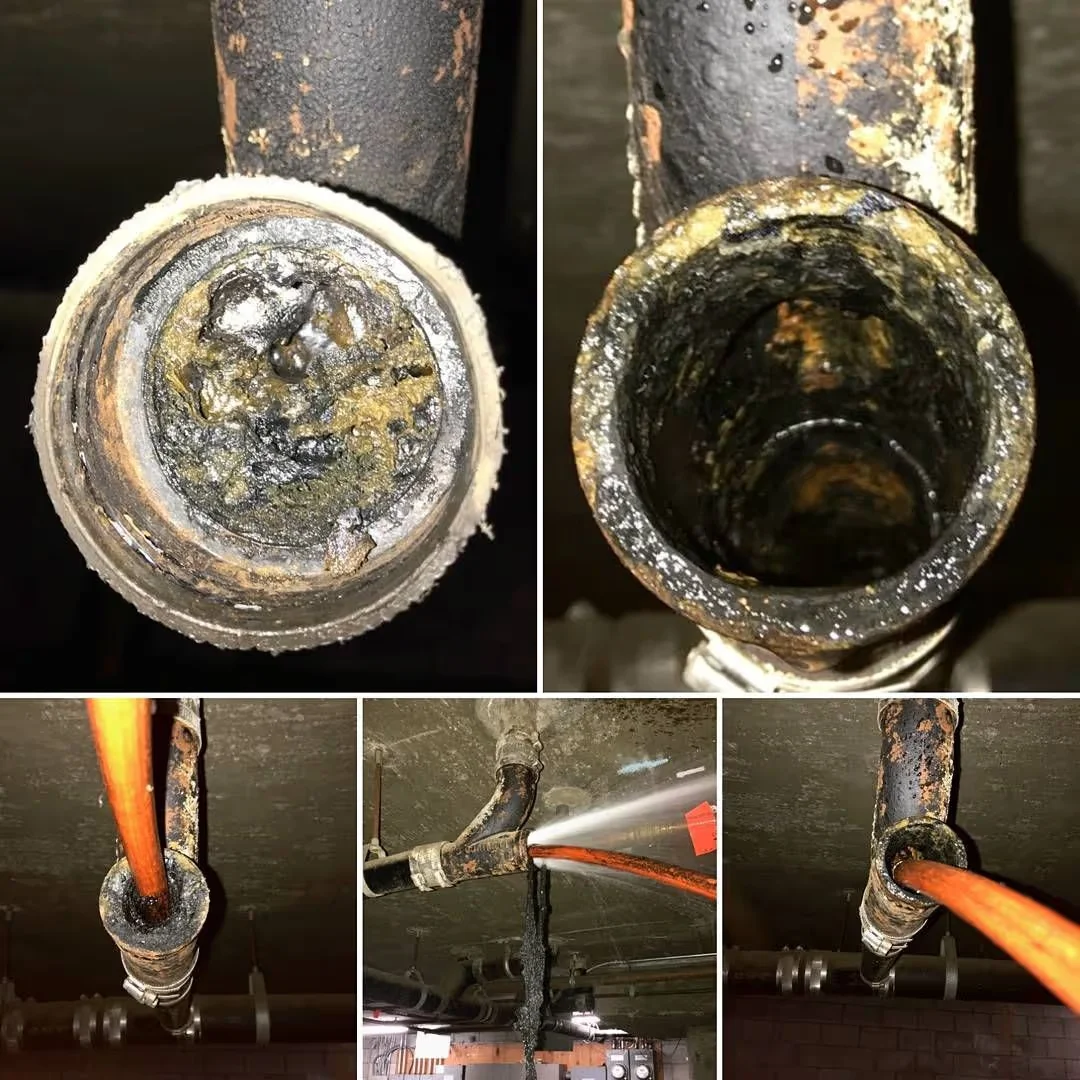
- Hydro jetting - Uses high-pressure water to blast through stubborn clogs, roots, and grease
- Video camera inspection - Sends a camera into your pipes to find the exact cause and location of a problem
- Trenchless sewer repair - Fixes or replaces damaged sewer lines with minimal digging using pipe lining or pipe bursting
- Traditional excavation - Used when pipes are collapsed, severely offset, or otherwise unreachable without digging
For most homeowners in Bellevue and the greater Omaha area, the problem starts small, a slow drain here, a gurgling toilet there. It's easy to ignore. But small warning signs can turn into sewage backups, water damage, and expensive repairs fast.
Tree roots, aging pipes, heavy rainfall, and years of grease buildup are the most common culprits in Nebraska homes. Older neighborhoods are especially at risk, homes with aging clay or cast iron pipes experience sewer backups more often than newer developments.
The good news? Most major sewer problems are preventable. The tips below will help you catch issues early, use the right fix for the right problem, and know when it's time to call a professional.
Tip 1: Catch Early Warning Signs Before a Full Backup
Most sewer disasters do not start as disasters. They start as hints.
Watch for these early signs:
- Slow drains in sinks, tubs, or showers
- Toilets that gurgle when another fixture runs
- Sewer odors inside or outside the home
- Wet or extra-green spots in the yard
- Water backing up in a floor drain
- Multiple fixtures clogging at the same time
- Basement drain issues after heavy rain
If one bathroom sink is slow, that may be a local clog. If the sink, toilet, and tub all act up together, that points more toward a branch line or main sewer issue.
Why early signs matter
The sooner you diagnose a problem, the more options you usually have. Early action can help avoid:
- Water damage to flooring, drywall, and belongings
- Unsanitary sewage exposure
- Emergency calls after hours
- Bigger repairs caused by pressure, corrosion, or backups
In other words, a weird gurgle today can become a basement cleanup tomorrow. That is not the kind of surprise anyone wants.
The most common drain and sewer issues in Bellevue, NE and Nebraska homes
In Bellevue and nearby Nebraska communities, the most common causes include:
- Tree root intrusion in sewer lines
- Aging clay, cast iron, or older plastic piping
- Grease buildup in kitchen drains
- Hair and soap scum in tubs and showers
- "Flushable" wipes that are not actually plumbing-friendly
- Sagging or bellied sewer lines
- Soil movement that shifts pipe joints
- Rainfall that exposes weak spots in the system
These are exactly the kinds of problems professional service is meant to catch and solve before they get worse.
Tip 2: Stop Putting the Wrong Things Down Your Drains
A lot of clogs are homemade. Not on purpose, of course, but still homemade.
The usual troublemakers include:
- Grease and cooking oil
- Coffee grounds
- Pasta, rice, and starchy food waste
- Eggshells
- Hair
- Soap residue
- Paper towels
- Hygiene products
- Flushable wipes
Kitchen and bathroom habits that prevent repeat clogs
Small habits make a big difference:
- Use sink strainers to catch food scraps
- Put a hair catcher over shower and tub drains
- Run garbage disposals with cold water
- Scrape plates into the trash before rinsing
- Never pour grease down the sink, even with hot water
- Flush bathroom drains with hot water periodically if appropriate for the fixture
- Teach everyone in the house what should not be flushed
Cold water matters with disposals because it helps fats stay more solid so they can move through instead of coating the pipe walls. Better yet, keep fats out of the drain completely.
Why chemical cleaners can make drain and sewer services more urgent
Store-bought chemical cleaners often seem like a shortcut. Usually, they are more like a delay button.
Problems with chemical drain cleaners include:
- They may not fully remove the clog
- They can sit in the line and increase corrosion risk
- Older pipes may be more vulnerable to damage
- They create a hazard for whoever has to open the line later
- They do not solve root intrusion, pipe damage, or major buildup
A safer first move is a plunger, a simple hand auger, or professional cleaning. If you are dealing with frequent blockages, it is better to solve the cause than keep pouring chemicals into a losing battle.
Tip 3: Use the Right Unclogging Method for the Severity of the Problem
Not every clog needs the same fix. A sink trap clog is different from a main sewer line blockage.
Start simple and safe when appropriate.
Safe DIY steps:
- Use a sink or toilet plunger correctly
- Remove and clean a stopper if hair is visible
- Try a hand auger for a nearby clog
- Check whether one drain is affected or several
- Stop using water if sewage starts backing up
- Call us if the clog returns quickly or affects multiple fixtures
Snaking vs hydro jetting
Snaking and hydro jetting both have a place in professional service, but they do different jobs.
Snaking:
- Punches through or pulls out many clogs
- Works well for localized obstructions
- Is often a good first step for simple drain stoppages
- May restore flow without fully cleaning pipe walls
Hydro jetting:
- Uses high-pressure water to scour the inside of the pipe
- Removes grease, sludge, debris, and many root intrusions
- Can clean pipe walls far more thoroughly than basic cabling
- Is often the better choice for recurring clogs
A thorough cleaning matters when the problem keeps coming back because the line is still dirty after a temporary opening.
When hydro jetting is the smarter choice
Hydro jetting is often the best fit when you have:
- Stubborn kitchen grease buildup
- Mineral scale restricting pipe diameter
- Sludge in older sewer lines
- Root intrusion in the main line
- Repeat clogs after previous snaking
- Preventative cleaning needs for a problem-prone line
It is especially useful when we want to clean the entire pipe wall, not just poke a hole through the blockage.
Tip 4: Know What Causes Sewer Problems Underground
What you cannot see is usually what causes the biggest headache.
Common underground sewer problems include:
- Root intrusion through joints or cracks
- Cracked clay pipes
- Corroded cast iron
- Offset pipe joints
- Bellied or sagging sections
- Crushed or collapsed pipe areas
- Debris buildup in low spots
How tree roots, aging pipes, and heavy rainfall damage sewer lines
Tree roots are one of the biggest sewer line enemies in established Bellevue and Nebraska neighborhoods. Roots naturally seek moisture, and even a tiny pipe crack or loose joint can attract them.
Aging pipes add to the problem. Older homes in Bellevue and across Nebraska are more likely to have materials that crack, corrode, or separate over time.
Heavy rainfall can make weak systems fail faster by:
- Saturating soil around the line
- Increasing pressure on damaged sections
- Washing soil away and contributing to shifting
- Exposing existing sags or bellies
- Triggering backups when flow is already restricted
In Nebraska, freeze-thaw cycles can also contribute to soil movement. Pipes do not love being pushed, pulled, or misaligned by the ground around them.
How video camera inspections find the exact problem fast
A video camera inspection takes the guesswork out of sewer diagnosis.
With a camera inspection, you can identify:
- The exact location of the clog
- Whether roots are present
- Pipe material and overall condition
- Corrosion, cracks, or collapses
- Bellies, offsets, and joint separations
- Whether cleaning or repair is the right next step
That means less unnecessary digging and a much clearer repair plan.
Tip 5: Choose Repair Options That Fit the Pipe Condition
Once the problem is found, the right repair depends on how damaged the line really is.
Possible solutions include:
- Spot repair for a small damaged section
- Full replacement for severely failing lines
- Trenchless pipe lining
- Trenchless pipe bursting
- Traditional excavation for inaccessible or collapsed sections
When to choose trenchless sewer repair instead of digging
Trenchless repair is often a great option when the line is damaged but still suitable for lining or bursting. It can be ideal when you want to protect:
- Lawns
- Landscaping
- Driveways
- Walkways
- Patios
Trenchless methods can reduce property disruption compared to traditional excavation. They also often mean faster turnaround and less mess. If the pipe path is accessible and the structure allows it, trenchless can be an efficient, property-friendly solution.
When traditional excavation is still necessary
As useful as trenchless methods are, they are not magic.
Digging may still be necessary when there is:
- A fully collapsed pipe
- Severe offsets or separations
- A major belly that must be regraded
- Pipe sections that are inaccessible for trenchless equipment
- A need for full code-compliant replacement
- Extensive damage that lining cannot safely address
The best choice comes from inspection results, pipe condition, access, and long-term reliability. It is best to choose the option that makes the most sense for the actual line, not just the least disruptive one.
Tip 6: Schedule Preventative Drain and Sewer Services Before Problems Escalate
The cheapest sewer backup is the one that never happens.
Regular maintenance helps remove buildup before it becomes a blockage and helps identify developing issues before they become emergencies.
How often homeowners in Omaha, NE and Nebraska should book service
There is no one-size-fits-all schedule, but here is a practical guide:
- Every 18 to 24 months for many homes with no known issues
- Annually for older homes
- Annually for homes with mature trees near the sewer line
- Sooner if you have recurring clogs
- Sooner if basement floor drains have backed up before
- Before heavy seasonal use if you host often or have a large household
If your property has root history, older piping, or repeated slow drains, more frequent maintenance may be worth it. Inspection and cleaning schedules are often based on the age of the system, prior backup history, and what the camera shows.
What to expect when scheduling with a local professional
When you schedule professional service, the process should feel straightforward, not mysterious.
Typically, you can expect:
- A conversation about the symptoms you are seeing
- An evaluation of whether this looks like a fixture, branch, or main line issue
- Camera inspection when needed for accurate diagnosis
- Clear explanation of the problem
- Recommended service options, such as snaking, hydro jetting, spot repair, or replacement
- Upfront scope of work
- Cleanup after the job
- Advice on maintenance and prevention
For emergency situations, timing matters. If sewage is coming up through a floor drain or multiple fixtures are backing up, stop using water and call right away.
Frequently Asked Questions about Drain and Sewer Services
What are the signs you need professional drain and sewer services right away?
Call for help as soon as possible if you notice:
- Sewage backup in tubs, showers, or floor drains
- Multiple drains clogging at once
- Strong sewer odor indoors
- Standing wastewater that will not drain
- Overflow at a basement drain
- Gurgling toilets combined with slow drains elsewhere
- Wet yard areas with no obvious sprinkler or rain explanation
These usually point to a larger issue than a simple surface clog.
Is trenchless sewer repair always better than traditional excavation?
No. Trenchless is excellent in the right situation, but not every pipe qualifies. The better option depends on:
- Pipe condition
- Amount of collapse or offset
- Access points
- Yard and driveway layout
- Local code requirements
- Long-term durability needs
That is why camera inspection comes first. We want the repair method to fit the pipe, not the other way around.
Can regular drain cleaning really prevent major sewer backups?
Yes, in many cases it can. Preventative cleaning helps by:
- Removing grease before it hardens
- Clearing sludge and debris buildup
- Controlling root intrusion before it chokes the line
- Catching warning signs early
- Reducing the chance of emergency blockages
It is not a guarantee against every sewer problem, especially if a pipe is broken, but it can significantly reduce the odds of an ugly surprise.
Conclusion
Most drain and sewer problems start small, then get expensive when ignored. The best approach is simple:
- Pay attention to warning signs
- Keep the wrong materials out of your drains
- Use the right cleaning method for the problem
- Inspect underground lines when symptoms point deeper
- Choose repair methods based on actual pipe condition
- Stay ahead of trouble with preventative maintenance
For homeowners in Bellevue, NE and across Nebraska, smart maintenance goes a long way.


.svg)
.webp)