
How long does hydro jetting take? Most appointments take about one to two hours once the plumber has access to the sewer line and the equipment is ready. Simple drain cleaning jobs may take less time, while heavy blockages, long pipe runs, older plumbing, or commercial systems can take a few hours.
For homeowners, landlords, property managers, and business owners in Gretna, Omaha, and nearby Nebraska communities, timing matters. A clogged drain can slow down a household, interrupt tenants, or create downtime for a business. Knowing what affects the duration of a jetting session helps you plan the appointment and understand what to expect from start to finish.
Hydro jetting uses high-pressure water to clean the inside of sewer and drain lines. Instead of only breaking a small opening through a clog, the process washes grease, sludge, roots, sand, and other debris from the pipe walls. JTM Plumbing uses professional hydro equipment to provide thorough sewer cleaning for residential and commercial properties, with service recommendations based on the condition of the system.
Typical Hydro Jetting Timeframes
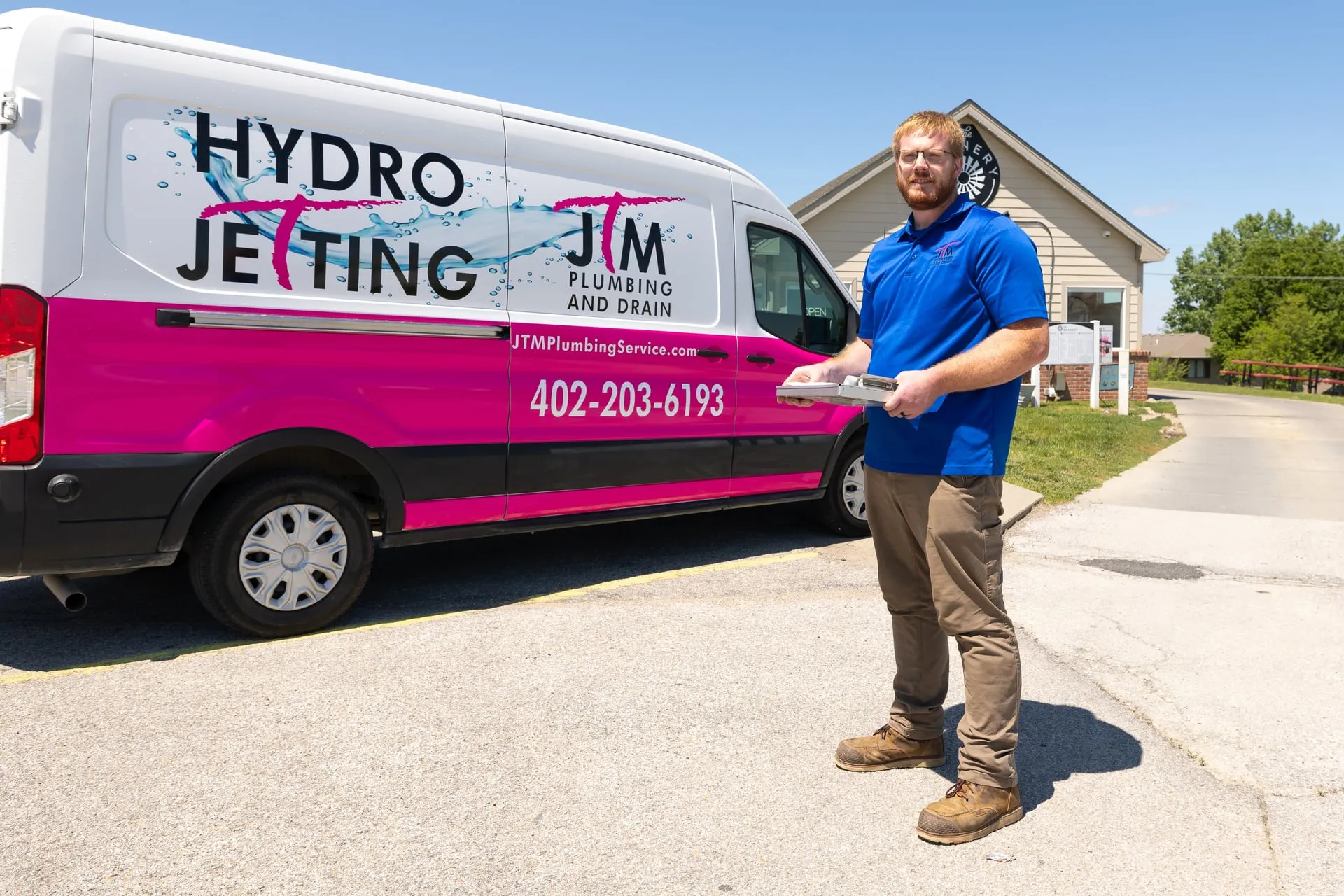
For many homes, most residential jobs can be completed in two hours or less. This usually includes setup, pipe access, the jet cleaning process, flow testing, and cleanup. If the blockage is easy to reach and the sewer line is in good condition, the appointment may be closer to one hour.
Larger or more complicated jobs can take longer. A long sewer line, heavy grease buildup, root intrusion, or a clog that has been forming for years may need extra time. If the plumber needs to perform a camera inspection before and after cleaning, that can also add time, but it helps confirm that the line has been cleared and that no repair issue is being missed.
Commercial plumbing can take longer than residential plumbing because the pipes may carry heavier use and larger waste volume. Restaurants, office buildings, retail spaces, multi-unit properties, and industrial facilities may need a longer hose, stronger jetting equipment, or multiple access points. In those cases, a few hours may be a realistic timeframe.
Here is a general planning guide:
- Small residential drain issue
- Common Timeframe: 45 minutes to 1 hour
- What May Affect the Time: Easy access, light buildup, short pipe run
- Standard home sewer line cleaning
- Common Timeframe: 1 to 2 hours
- What May Affect the Time: Grease, sludge, roots, inspection needs
- Heavy sewer line blockage
- Common Timeframe: 2 to 3 hours
- What May Affect the Time: Thick debris, multiple clogs, older pipes
- Commercial drain or sewer cleaning
- Common Timeframe: 2 hours or longer
- What May Affect the Time: Long lines, high-use plumbing, multiple access points
- Jetting with repair concerns
- Common Timeframe: Varies
- What May Affect the Time: Damaged pipe, collapsed section, camera inspection
These timeframes are estimates. The best way to know how long your appointment may take is to have a trained plumber evaluate the system. JTM Plumbing can explain the expected duration before work begins so you are not left guessing.
Factors That Affect the Duration of the Session
The main reason hydro jetting times vary is that every plumbing system is different. Two homes on the same street may have different pipe materials, sewer line layouts, access points, and clog history. A commercial building may have even more variables because of heavier drain use.
The condition of the pipe matters. A newer, well-maintained sewer line may respond quickly to water jetting. Older pipes, corroded lines, or pipes with weak spots require more caution. A plumber may need to lower pressure, move more slowly, or inspect the line more carefully to prevent damage.
Blockage severity also affects timing. Soft buildup may clear quickly. Dense grease, packed sludge, mineral scale, and root growth may take longer. If there are several clogs in the same line, the jetting session may require repeated passes to restore proper flow.
Access is another major factor. If the cleanout is easy to reach, setup is faster. If the plumber has to locate an access point, move items out of the way, or work in a tight area, the appointment may take longer. Outdoor sewer access can also be affected by weather, landscaping, or soil conditions.
Common factors that influence service time include:
- Pipe length: Longer pipes take more time to clean from end to end.
- Clog type: Grease, roots, and mineral buildup may take longer than loose debris.
- Pipe condition: Older or damaged pipes require a slower, safer approach.
- Access point: Clear access helps the plumber set up faster.
- Inspection needs: Camera checks can add time but improve accuracy.
- Commercial use: High-use systems often need deeper cleaning.
- Repair concerns: Cracks, offsets, or collapsed sections may change the plan.
Hydro jetting is not only about speed. It is about choosing the right cleaning method for the pipe. A fast appointment is helpful, but a safe, thorough job is better than a rushed one that leaves buildup behind.
What Happens During a Professional Hydro Jetting Appointment
A professional hydro jetting appointment follows a clear process. The plumber first listens to the symptoms. Slow drains, backups, odors, gurgling sounds, or repeated main line clogs can help point to where the problem is located.
Next, the plumber checks the affected drain or sewer line. If the issue appears to be in the main sewer line, a camera inspection may be recommended. This step can show whether the pipe has grease, roots, sludge, standing water, a broken section, or another concern. It also helps the plumber decide whether hydro jetting is a safe option.
Once the plumber confirms that jetting is appropriate, the equipment is set up. A hose is inserted into the cleanout or approved access point. The jetting equipment sends high-pressure water through the hose and out through a specialized nozzle. The water breaks apart clogs, scours the pipe walls, and flushes loose material through the line.
During the cleaning, the plumber monitors the process and adjusts the pressure as needed. This helps protect the pipe while still providing enough cleaning power to remove buildup. After the line is cleaned, the plumber may run water through the system and may inspect again to confirm better flow.
A typical appointment may include:
- Service review: The plumber asks about drain problems and past repairs.
- Line access: The cleanout or drain access point is located.
- Inspection: Camera equipment may be used to view the sewer line.
- Jetting setup: The hose, nozzle, and machine are prepared.
- Cleaning: Water jetting clears buildup from the pipe walls.
- Flow check: The plumber tests the drain or sewer line.
- Next steps: You receive advice about repair needs or prevention.
This process gives homeowners and property managers a clear picture of what is happening inside the plumbing. It also helps prevent unnecessary work when a pipe needs repair rather than cleaning.
Jetting Equipment and Why Professional Service Matters
Professional hydro jetting depends on the right equipment. The machine must generate enough water pressure to remove buildup, but the plumber must also control that pressure based on the pipe. Too little force may not clean the line well. Too much force in the wrong situation can create damage.
Jetting equipment includes a pressure machine, heavy-duty hose, and nozzles designed for different jobs. Some nozzles focus on cutting through blockages. Others are made to flush debris or clean pipe walls. The hose length and nozzle choice depend on the sewer line, the clog, and the access point.
A professional plumber also understands when not to jet. If a pipe is collapsed, severely cracked, badly offset, or too fragile, sewer cleaning alone may not solve the issue. In that case, repair may be the safer recommendation. This is one reason a camera inspection can be helpful before starting the work.
DIY hydro jetting is risky because rental equipment may be difficult to control, and most property owners do not have the training to read pipe conditions. A clogged drain may seem simple from above, but the real issue could be roots, broken pipe, heavy scale, or a deeper sewer line blockage. Using high-pressure water without knowing the pipe condition can turn a drain issue into a repair problem.
JTM Plumbing uses professional tools and trained technicians to match the method to the plumbing system. That matters for residential properties, but it is even more important for commercial plumbing where downtime, sanitation, and customer access can be affected by a blocked line.
Professional jetting services can help with:
- Recurring clogs that keep returning after basic drain cleaning
- Grease buildup in kitchen and restaurant lines
- Roots or sludge in sewer pipes
- Slow drains throughout the property
- Sewer odors caused by trapped waste
- Maintenance for commercial drain systems
The right service protects the pipe while restoring flow. That balance is what makes professional hydro jetting a strong option for stubborn blockages.
Jet Cleaning vs. Other Drain Cleaning Methods
Hydro jetting is not the only drain cleaning option. Plungers, drain snakes, augers, and chemical products are common. Each method has a place, but they do not all solve the same problem.
A plunger can help with shallow clogs near a fixture. A drain snake can break through some blockages or pull back hair and soft debris. These methods can be useful for simple clogs, but they often do not clean the full pipe. If grease or sludge stays on the pipe walls, the clog can return.
Chemical cleaners may seem fast, but they can be harsh on pipes and may not remove roots, scale, or heavy blockages. They can also create safety issues if they sit in standing water or mix with other substances. For older plumbing, repeated chemical use may add risk.
Hydro jetting uses water to clean inside the line. It can remove debris that other methods leave behind, which is why many plumbers recommend it for stubborn clogs and recurring sewer line problems. It is also useful for preventive cleaning in high-use systems.
The biggest difference is the result. Snaking may open the line. Jetting cleans the line. For many properties, that difference affects how long the drain stays clear.
If a clog is small and isolated, JTM Plumbing may recommend a simpler service. If the line has buildup along the pipe walls, hydro jetting may be a better fit. The goal is not to sell the strongest method every time. The goal is to use the method that matches the problem.
How To Prepare for a Hydro Jetting Session
Good preparation can help the appointment move faster. The plumber needs room to work, access to the affected area, and clear information about what has been happening. A few simple steps before the visit can reduce delays.
Start by noting the symptoms. Which drains are slow? Do backups happen after laundry, showers, or heavy kitchen use? Are there sewer odors? Has the line been cleaned before? These details help the plumber narrow down the problem.
Clear the area around the cleanout if you know where it is. In many homes, a cleanout may be in the basement, utility room, garage, crawl space, or outside. Moving boxes, furniture, lawn items, or storage bins ahead of time helps the plumber begin faster.
For rental or commercial properties, let tenants, staff, or customers know that water use may be limited during the appointment. Restaurants and businesses may want to schedule service during slower hours if possible. Property managers should also provide access instructions, gate codes, and contact information for anyone on site.
Preparation tips include:
- Clear access to the cleanout, basement, utility area, or affected drain.
- Avoid pouring chemical drain cleaners into the line before service.
- Share details about recent clogs, backups, odors, or repairs.
- Keep pets away from the work area.
- Notify tenants or staff before commercial or rental property service.
- Ask whether a camera inspection is recommended.
You do not need to diagnose the problem yourself. The goal is to make the work area safe and accessible so the plumbing team can inspect, clean, and test the line without avoidable delays.
Schedule Hydro Jetting Services With JTM Plumbing
If your drain keeps slowing down or your sewer line backs up after repeated cleaning, hydro jetting may be the right next step. Most residential jobs can be completed in two hours or less, but the exact timing depends on the pipe, the clog, the access point, and whether inspection or repair concerns are involved.
JTM Plumbing provides drain cleaning, sewer cleaning, repair, installation, and plumbing services for homes and businesses in Gretna, Omaha, Bellevue, La Vista, Papillion, Elkhorn, Springfield, and nearby Nebraska communities. The team helps customers understand what is happening, what the work may involve, and how to reduce repeat problems after service.
Call JTM Plumbing if you notice slow drains, gurgling fixtures, sewer smells, water backing up, or a main line clog that keeps returning. A licensed local plumber can inspect the issue, explain whether hydro jetting is a good fit, and give you a realistic timeframe before the work begins.
Clearer pipes can mean fewer interruptions, fewer emergency calls, and better plumbing performance for your home or commercial property. Schedule service with JTM Plumbing today and get practical help from a local team that knows Omaha-area sewer and drain systems.


.svg)
.webp)