If you've received a compliance notice about backflow testing in Bellevue, here's the short answer:
Your drinking water flows in one direction. When pressure drops — from a water main break, nearby fire hydrant use, or a sudden line shut-off — that flow can reverse. When it does, anything connected to your plumbing can get pulled back into the clean water supply. That means fertilizers from your irrigation system, chemicals from a boiler, or bacteria from stagnant water could end up in your tap.
That's what backflow is. And it's exactly why Bellevue, Nebraska takes it seriously.
There are over 10,000 reported backflow contamination cases every year across the United States. The State of Nebraska requires annual testing to make sure your prevention device will actually stop it from happening on your property.
This guide walks you through everything Bellevue property owners need to know — from what the law requires to how to schedule your test and stay compliant.


In Bellevue, Nebraska, we take our water quality seriously. To understand why backflow testing in Bellevue is a mandatory part of property ownership, we first have to look at the concept of a "cross-connection." A cross-connection is any point where a potable (drinking) water line connects with a non-potable source. This could be your lawn irrigation system, a swimming pool fill line, or a commercial boiler.
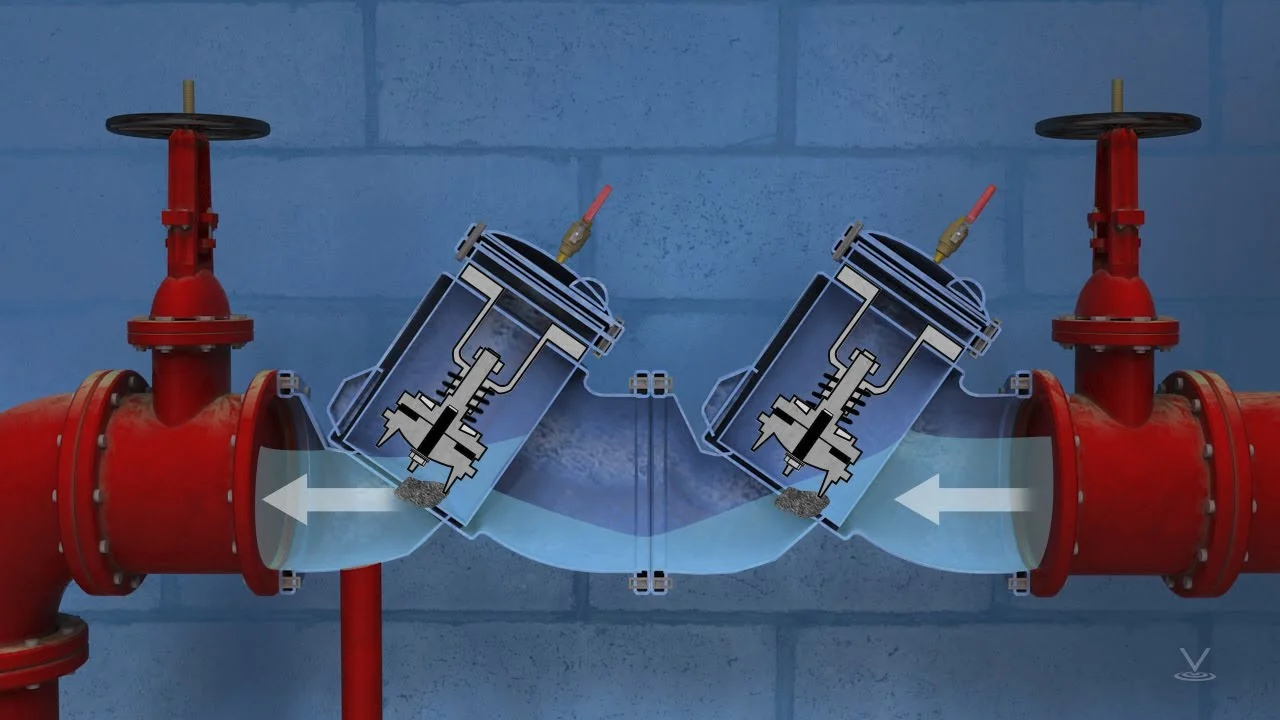
What is Backflow Testing is essentially a health check for the mechanical devices that sit at these cross-connections. These devices act as one-way gates, ensuring that water only moves from the city's main into your property, never the other way around.
Nebraska State Law and Sarpy County regulations are very specific: any property that poses a potential hazard to the public water supply must have a backflow preventer installed and tested annually. This is often referred to as "premise isolation." By isolating your property’s internal plumbing from the city's distribution system, we prevent localized issues from becoming city-wide health crises.
In our area, the primary water purveyors are the Metropolitan Utilities District (MUD) and City of Bellevue Utilities. They follow strict Backflow Prevention Standards (Note: local standards align with Nebraska Department of Environment and Energy requirements) to ensure that every home and business remains a safe link in the chain. If a backflow event occurs—perhaps due to a water main break near Fontenelle Hills or heavy hydrant use during a fire—these devices are the only thing standing between your lawn chemicals and your neighbor's kitchen sink.

If you are a property owner in Bellevue, the annual certification process is a legal requirement you'll face every year. One of the biggest Benefits of Backflow Testing is the peace of mind that comes from knowing your mechanical valves haven't seized up or been damaged by a harsh Nebraska winter.
The actual test is surprisingly quick. A standard backflow testing appointment in Bellevue typically takes between 10 and 30 minutes. During this time, one of our certified testers will use a calibrated differential pressure gauge to ensure the internal springs and checks are holding the required pressure.
To complete the paperwork, we need a few pieces of information:
In Nebraska, only individuals on the State of Nebraska registry of certified backflow assembly testers can perform this work. Once we finish the physical test, we handle the electronic filing with your water purveyor. It’s important to note that most water districts charge submission fees, which can range from $1 to $17. We include these in our transparent reporting process so there are no surprises.
Ignoring these notices isn't just a paperwork oversight; the consequences are real. Water purveyors in Sarpy County have the authority to shut off water service to any property that is non-compliant. If you've been putting off your plumbing maintenance, you might also be interested in our Drain Cleaning Services in Bellevue, NE to keep your entire system flowing correctly.
Not all backflow preventers are created equal. The type of device installed on your property depends on the "hazard level" of your water usage. Here are the most common assemblies we see in Bellevue:
These devices act as mechanical one-way valves. They are designed to combat two types of flow reversal: backpressure (when your system's pressure exceeds the city's pressure) and backsiphonage (when a drop in city pressure "sucks" water out of your pipes). Whether you have a simple backyard pool or a complex industrial boiler, a General Backflow Service Overview shows that regular maintenance is the only way to ensure these mechanical parts haven't corroded or failed.
At JTM Plumbing and Drain, we employ licensed journeyman plumbers who are also state-certified testers. This is a crucial distinction. A simple "tester" might tell you the device failed, but a licensed plumber can actually fix it on the spot.
Common maintenance issues we see in Bellevue include:
Our Plumbers in Bellevue, NE are experts at diagnosing these issues. We carry common repair kits for major brands, allowing us to perform minor repairs during the initial testing appointment, saving you the cost of a second service call.
We try to make scheduling as painless as possible. When you call us for backflow testing in Bellevue, it helps to have your "due date" from the water district handy.
While costs can vary based on the complexity of the system, here is a general breakdown of what to expect in the Bellevue area:

You shouldn't wait for your annual notice to think about your backflow preventer. Sometimes, the device will tell you it's failing before the tester even arrives. Keep an eye (and nose) out for these red flags:
We recommend a full system overhaul every five years. Even if the device passes the annual test, the internal rubber components have a limited lifespan. Replacing them proactively is much cheaper than dealing with an emergency failure during a holiday weekend.
The most immediate consequence is a municipal water shutoff. The city cannot risk the health of the entire neighborhood because one property is out of compliance. Beyond that, you may face non-compliance fines and significant re-connection fees once you finally do get the test completed. Most importantly, you assume a massive legal liability; if a backflow event on your property makes someone sick, you could be held responsible for the damages.
Generally, any property with a "high-risk" connection needs testing. This includes:
No. Even if you are a DIY expert, the state requires a certified backflow assembly tester to perform the inspection. The equipment we use—the differential pressure gauge—must be calibrated annually to NIST standards to ensure accuracy. Furthermore, the water districts will only accept digital or paper reports that bear the license number of a state-certified professional.
Protecting the water we drink in Bellevue is a community effort. While the annual notice might feel like a chore, it is a vital step in keeping our families safe from waterborne contaminants. At JTM Plumbing and Drain, we pride ourselves on offering honest, affordable, and reliable service to our neighbors in Gretna, Omaha, and Bellevue.
Whether you need a quick annual certification or a complex repair on a commercial system, our team is ready to help. We understand the local Nebraska codes and we have the tools to get the job done right the first time.
Don't wait for the water district to knock on your door. Schedule Your Bellevue Backflow Test Today and let us handle the paperwork while you enjoy the peace of mind that comes with clean, safe water.
Fill out our form or call us today!
Water damage can become costly and fast, so don’t hesitate to pick up the phone. You can call us for immediate attention when it comes to time-sensitive commercial or residential plumbing emergencies.